1. Introduction
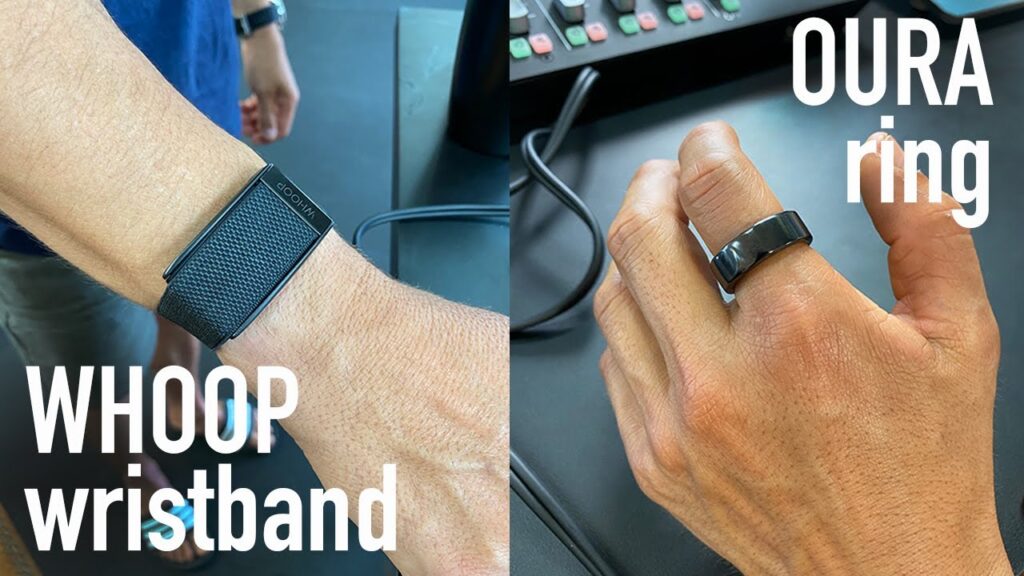
When it comes to fitness trackers, Whoop is like that one gym bro who tracks everything—heart rate, recovery, even how well you slept after binge-watching Netflix. Designed for performance tracking, recovery optimization, and HRV monitoring, Whoop helps you train smarter, not just harder (because let’s be real, nobody likes wasting a gym session).
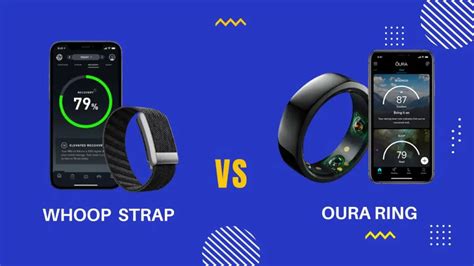
But how does it compare to the Oura Ring, the sleek, minimalist tracker that looks more like jewelry than a high-tech fitness device? In this guide, we’ll break down the key differences between Whoop and Oura, covering sleep tracking, recovery insights, workout tracking, and overall value. Whether you’re a serious athlete or just trying to avoid overtraining like a rookie, we’ve got you covered. Let’s find out which tracker deserves a spot on your wrist—or your finger.
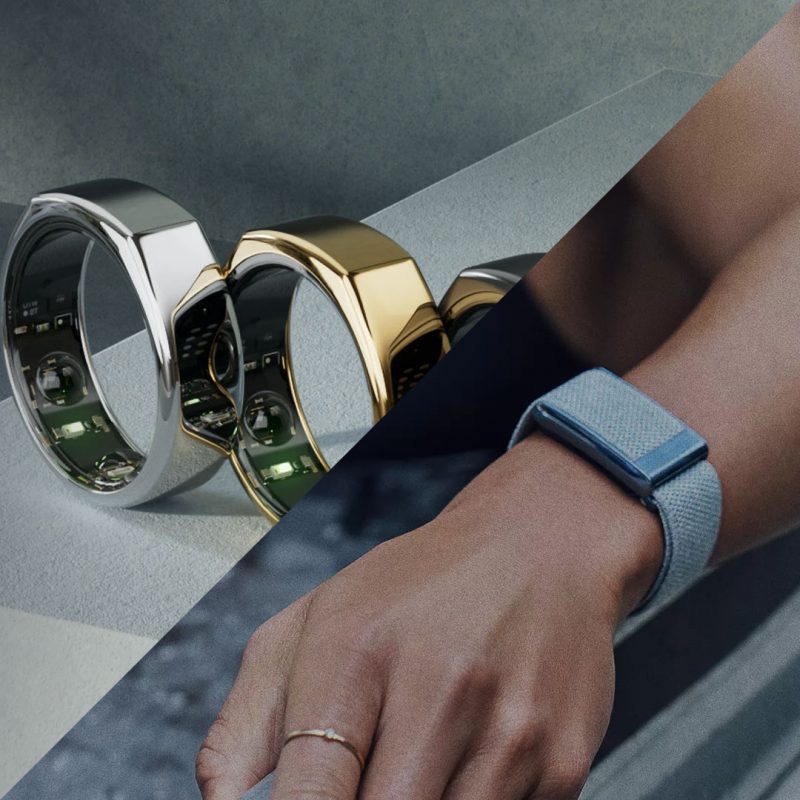
Table of Contents
2. Design & Comfort
When choosing a fitness tracker, design and comfort are just as important as functionality—after all, you’ll be wearing it 24/7. The Whoop and Oura Ring take very different approaches to wearability. One sits discreetly on your finger, while the other wraps around your wrist like a high-performance band. Let’s compare how they feel during workouts, sleep, and everyday wear.
3. Sleep Tracking & Recovery Insights
Oura vs. WHOOP: Sleep Tracking & Recovery Insights
Oura’s Sleep Tracking Features
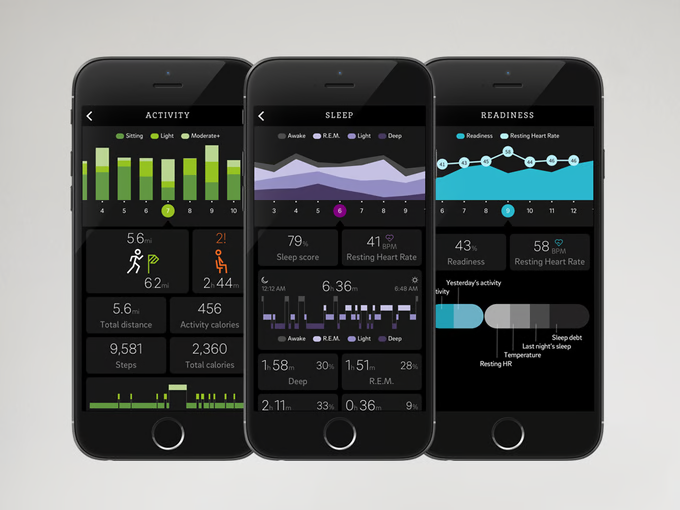
Oura is known for its highly accurate sleep tracking, thanks to its advanced sensors and ring design. Here’s what it offers:
- Sleep Score – Evaluates total sleep time, efficiency, and sleep stages.
- Sleep Stages Breakdown – Measures deep, light, and REM sleep for a complete picture of sleep quality.
- Bedtime Guidance – Provides personalized recommendations to improve sleep consistency.
- Nighttime HRV & Temperature Tracking – Monitors heart rate variability (HRV) and body temperature trends, which are linked to recovery and readiness.
WHOOP’s Sleep & Recovery Insights
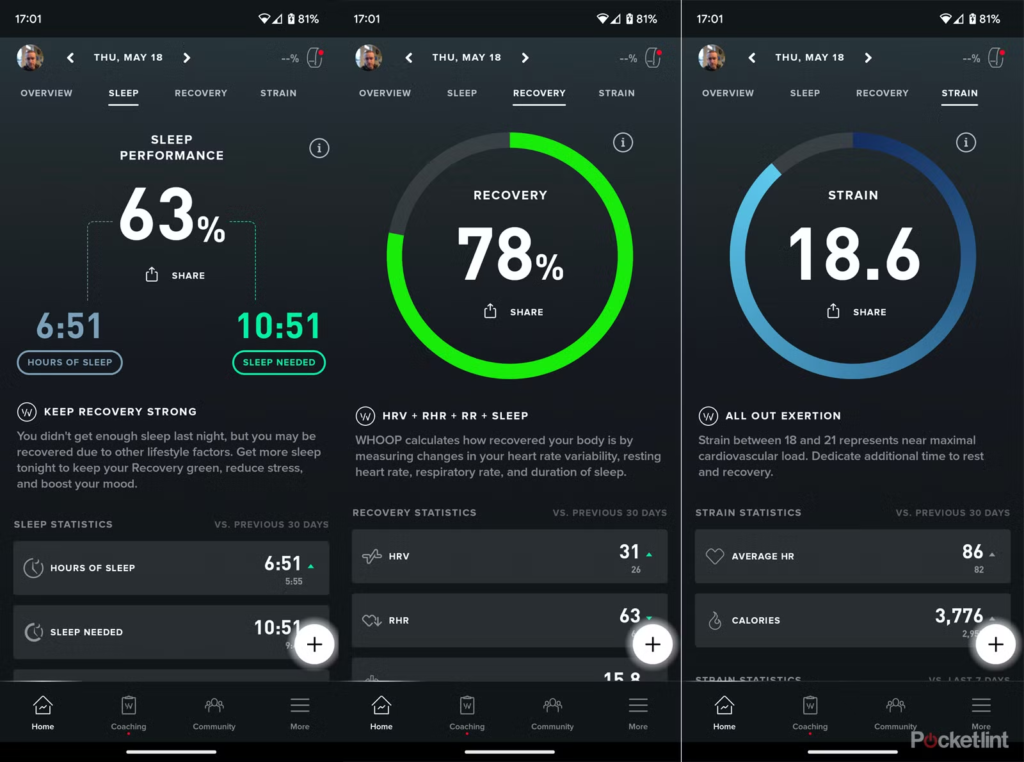
WHOOP provides a more performance-focused approach to sleep tracking:
- Sleep Coach – Offers recommendations on when to go to bed based on daily strain and recovery needs.
- Recovery Score – Uses HRV, resting heart rate, and respiratory rate to determine how ready your body is for training.
- Sleep Debt Tracking – Helps you make up for lost sleep over time to improve recovery.
- Smart Alarm – Wakes you up in your lightest sleep phase to avoid grogginess.
Which One is Better?
- If you want a subtle, ring-based device that focuses on holistic wellness, Oura is a great choice.
- If you’re an athlete or fitness enthusiast looking for detailed performance and recovery data, WHOOP may be the better fit.
| Feature | WHOOP | Oura |
|---|---|---|
| Device Type | Wrist-based band | Ring |
| Sleep Score | ✅ Yes | ✅ Yes |
| Sleep Stages Breakdown | ✅ Yes | ✅ Yes |
| Bedtime Guidance | ❌ No | ✅ Yes |
| Smart Alarm | ✅ Yes | ❌ No |
| HRV Tracking | ✅ Yes | ✅ Yes |
| Resting Heart Rate (RHR) | ✅ Yes | ✅ Yes |
| Respiratory Rate | ✅ Yes | ✅ Yes |
| Body Temperature Monitoring | ❌ No | ✅ Yes |
| Recovery Score | ✅ Yes | ✅ Yes |
| Strain/Training Readiness | ✅ Yes | ❌ No |
| Battery Life | 4-5 days | 4-7 days |
| Subscription Required | ✅ Yes ($30/month) | ✅ Yes ($5.99/month) |
4. Fitness & Workout Tracking
When it comes to fitness & workout tracking, Oura and WHOOP take different approaches. Both devices monitor activity and recovery, but their focus and features cater to different types of users.
Oura: Passive Activity Tracking for Lifestyle & Wellness
Oura is primarily designed for holistic health tracking, focusing on overall activity rather than detailed workout performance.
Key Features:
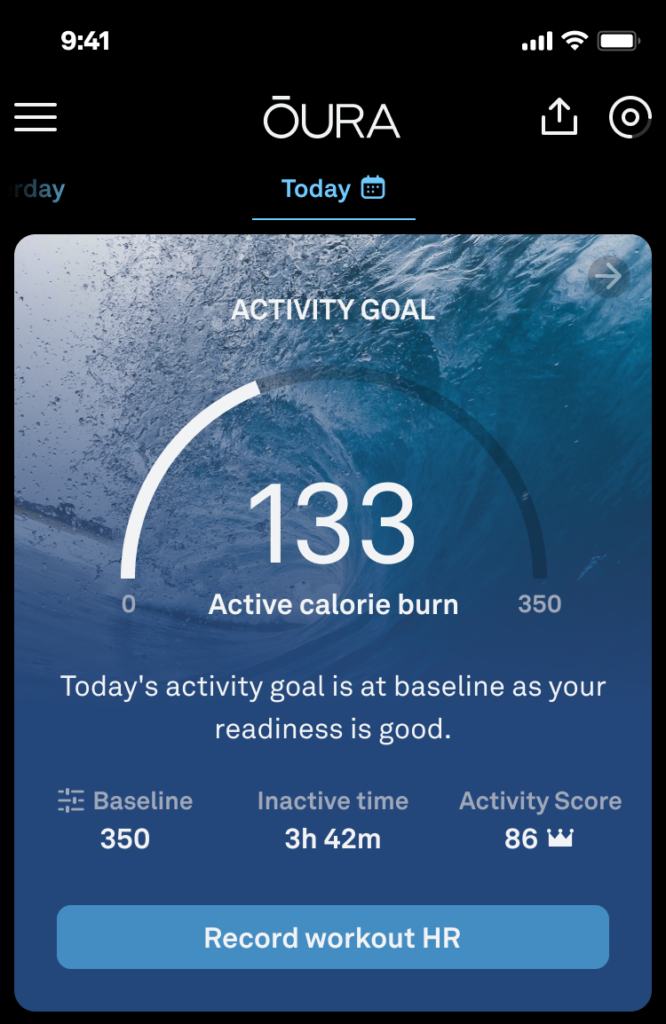
- Automatic Activity Detection – Tracks daily movement and identifies walking, running, and other activities.
- Activity Score – Based on steps, calories burned, and movement consistency.
- Recovery-Based Recommendations – Adjusts activity suggestions based on sleep and readiness scores.
- Heart Rate Monitoring – Measures heart rate throughout the day but does not provide live workout heart rate tracking.
✅ Best for: Individuals focused on daily movement, general fitness, and lifestyle tracking rather than detailed training data.
WHOOP: Performance-Focused Workout Tracking
WHOOP is designed for athletes and serious fitness enthusiasts, providing in-depth workout insights and recovery metrics.
Key Features:
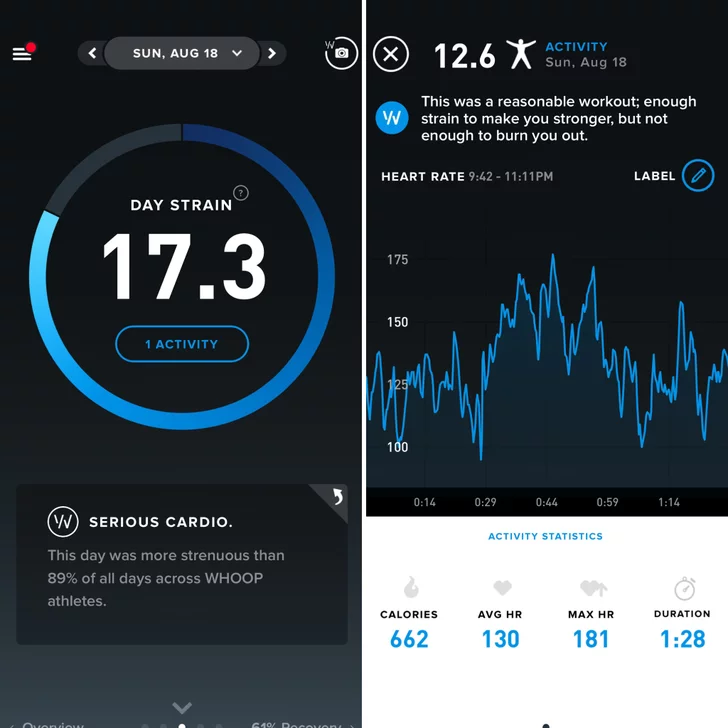
- Strain Score – Measures cardiovascular load during workouts and throughout the day.
- Live Heart Rate Monitoring – Tracks HR during workouts with real-time feedback.
- Workout Detection & Logging – Recognizes over 80+ exercise types automatically.
- HRV & Recovery Analysis – Shows how well your body has recovered and adapts training recommendations.
- WHOOP Strength Trainer – Estimates muscle load and tracks weight training impact.
✅ Best for: Athletes, strength trainers, and high-performance individuals who want data-driven training insights.
Which One Should You Choose?
- Choose Oura if you want a simple, automated approach to tracking activity and recovery without focusing on workout intensity.
- Choose WHOOP if you’re looking for detailed fitness & workout tracking, live performance data, and recovery-based training recommendations.
5. Heart Rate & HRV Accuracy
When it comes to wearable tech for recovery and performance tracking, two names often stand out: Oura and WHOOP. Both devices offer insights into your heart rate (HR) and heart rate variability (HRV), but how do they stack up in terms of accuracy?
Resting Heart Rate Accuracy
- Oura shines when it comes to tracking resting heart rate.
- It uses infrared photoplethysmography (PPG) sensors, which are generally more reliable than green LEDs for low-motion environments like sleep.
- Oura samples HR throughout the night and provides a detailed overnight trend graph.
- WHOOP also tracks resting HR but uses green LED sensors.
- It captures data 24/7, including during sleep and workouts.
- While reliable, it can sometimes show minor fluctuations in resting HR compared to clinical-grade monitors.
HRV Accuracy
Oura Ring:
- Oura measures HRV only during deep sleep stages, providing a nightly average.
- This can give a very stable and consistent reading over time.
- However, it may not reflect daily fluctuations that occur during waking hours.
WHOOP:
- WHOOP measures HRV during the last slow-wave sleep cycle of the night.
- Like Oura, it gives a daily score but also integrates this into broader recovery analytics.
- Its real-time data collection is more dynamic, especially useful for athletes monitoring stress and readiness.
During Exercise
Oura Ring:
- Not designed for real-time HR tracking during workouts.
- It may capture heart rate with delays or miss high-intensity spikes.
- Better suited for recovery and sleep-focused insights.
WHOOP:
- Specifically built for training.
- Provides live HR data during workouts and calculates strain scores based on effort.
- Much more accurate and responsive in high-movement scenarios.
The Verdict: Heart Rate & HRV Accuracy – Oura vs WHOOP
- For resting HR and HRV: Oura offers excellent accuracy during sleep, ideal for recovery-focused users.
- For overall HRV tracking and training insights: WHOOP is more versatile, especially during workouts.
- If your priority is daily recovery insights and exercise tracking, WHOOP takes the edge.
- If you want a sleek, comfortable ring with deep sleep metrics, Oura might be your go-to.
📊 Comparative Overview: Oura Ring vs. WHOOP Strap
| Metric | Oura Ring | WHOOP Strap |
|---|---|---|
| Resting Heart Rate (RHR) | Utilizes infrared photoplethysmography (PPG) sensors to monitor RHR during sleep, providing insights into cardiovascular health and recovery. | Employs optical sensors to track RHR continuously, offering real-time data that reflects the body’s recovery status. |
| Heart Rate Variability (HRV) During Sleep | Measures HRV throughout the entire night to assess autonomic nervous system balance and recovery. | Calculates HRV primarily during deep sleep phases, focusing on recovery metrics to guide training readiness. |
| Workout Tracking | Captures heart rate data during workouts, providing insights into exercise intensity and cardiovascular strain. | Offers detailed strain analysis by monitoring heart rate and other metrics during workouts, helping users optimize training loads. |
6. Recovery Score & Readiness Metrics
When choosing a wearable to guide your training and recovery, recovery score and readiness metrics are key features. Both Oura and WHOOP provide these, but they take different approaches. Here’s how they compare.
How Recovery Is Calculated
Oura Ring:
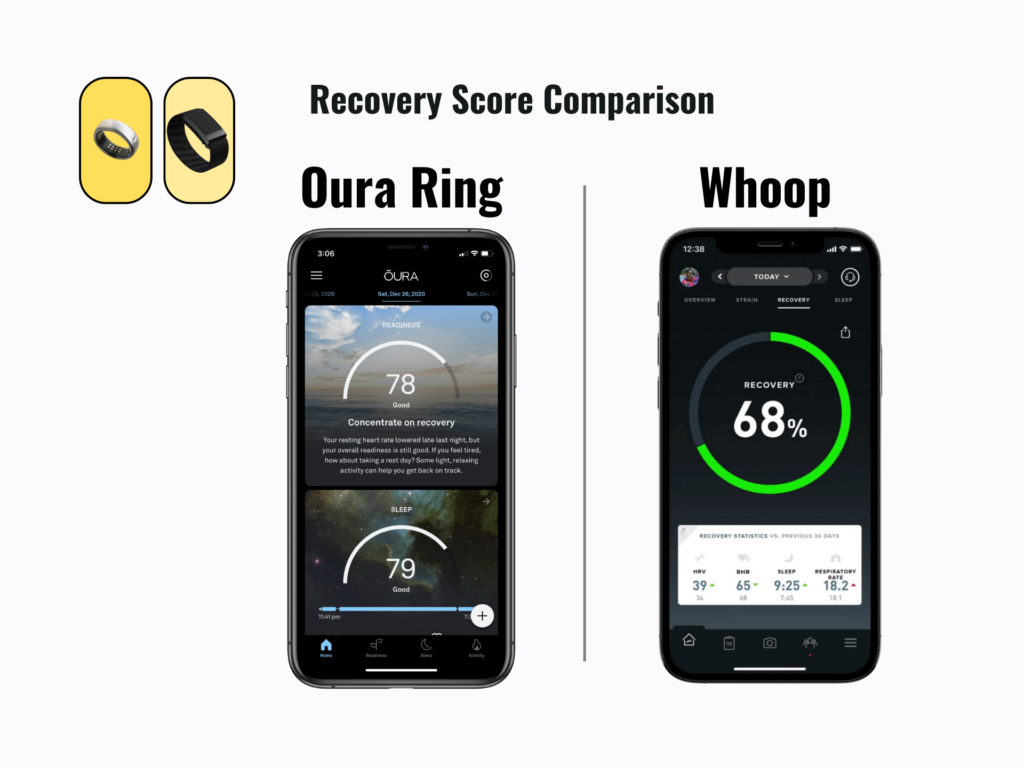
- Oura provides a Readiness Score (0–100) each morning.
- It’s based on:
- Resting heart rate
- HRV (heart rate variability)
- Sleep quality
- Activity balance
- Body temperature
- Oura’s score is aimed at helping you decide whether to push or rest.
WHOOP:
- WHOOP gives a Recovery Score (0–100%) every morning.
- It uses:
- HRV
- Resting heart rate
- Respiratory rate
- Sleep performance
- WHOOP’s score is color-coded: green (ready), yellow (moderate), red (recover).
Insights and Personalization
Oura Ring:
- Offers daily readiness insights and personalized tips.
- Tracks long-term trends in recovery and stress.
- Focuses heavily on overall wellness and daily balance.
WHOOP:
- Delivers deeper analysis on strain vs recovery.
- Shows how well your body is handling stress (from training, sleep, or lifestyle).
- Provides coaching suggestions based on your score—e.g., “You can afford high strain today.”
Which Is More Actionable?
Oura Ring:
- Great for general users who want to monitor wellness and avoid overtraining.
- Less focused on athletic performance, more on rest and lifestyle balance.
WHOOP:
- Built for athletes and high-performers.
- Encourages data-driven decisions based on readiness to train or recover.
- Daily reports and weekly performance summaries help optimize workload.
Final Thoughts: Recovery Score & Readiness Metrics – Oura vs WHOOP
- If you’re looking for a wellness-focused tool with smart, passive recovery tracking, Oura is a solid choice.
- If you’re serious about training and want actionable, performance-driven insights, WHOOP has the edge.
- Both devices provide useful recovery scores, but the depth, interpretation, and coaching style differ significantly.
7. Stress & Cortisol Monitoring
Both Oura and WHOOP are leading wearables when it comes to health tracking, but how do they compare in stress and cortisol monitoring? While neither device measures cortisol directly, they both use biometrics like heart rate variability (HRV), resting heart rate, and sleep to estimate stress levels.
Does Oura Monitor Stress?
Oura Ring:
- Oura tracks stress using trends in:
- HRV
- Resting heart rate
- Body temperature
- Sleep quality
- The Daytime Stress feature (introduced in Oura Gen 3) uses continuous heart rate and HRV to estimate when your body is in a stressed or calm state throughout the day.
- It also offers “Moment” sessions—short guided breathing exercises that can help reduce stress.
Does WHOOP Monitor Stress?
WHOOP:
- WHOOP doesn’t show a “stress” score, but stress can be inferred through:
- Drops in HRV
- Elevated resting heart rate
- Decreased recovery score
- WHOOP’s Strain Score helps users understand how much pressure (physical or physiological) is placed on their body.
- WHOOP Journal allows you to log stress-related behaviors like caffeine, alcohol, and mood—then shows correlations with sleep and recovery.
| Feature | WHOOP | Oura |
|---|---|---|
| Stress Monitoring | Real-time score (0–3) based on HR & HRV | 15-minute interval updates using HR, HRV, temperature, and movement |
| Physical Activity Filter | Accounts for motion to differentiate exercise-induced stress | Monitors movement but doesn’t specifically filter exercise-induced stress |
| Stress Management Tools | Guided breathwork exercises | Integration with Headspace for meditation sessions |
| Resilience Tracking | Not specified | Provides a resilience metric to assess recovery from stress |
| User Input | Allows logging of perceived stress levels | Primarily relies on physiological data |
Cortisol Monitoring
Important Note:
- Neither Oura nor WHOOP directly measures cortisol, as this would require a blood or saliva test.
- However, both provide proxy indicators of high cortisol, such as:
- Lower HRV
- Higher resting heart rate
- Poor sleep
- Low recovery or readiness scores
These insights can help users make informed lifestyle adjustments to reduce stress and support hormonal balance.
Stress & Cortisol Monitoring – Oura vs WHOOP: Which One Wins?
- Oura offers a more dedicated stress monitoring feature with real-time tracking and breathing tools.
- WHOOP is more performance-focused, helping users recognize stress through recovery and strain patterns.
- If you’re looking for passive stress tracking with mindfulness support, Oura takes the lead.
- If you want to see how stress impacts training and performance, WHOOP provides deeper correlations.
8. Battery Life & Charging
When it comes to wearables, battery life and charging can make or break your user experience. Let’s break down how Oura and WHOOP compare in this category.
Battery Life: How Long Do They Last?
Oura Ring:
- Battery lasts 4 to 7 days, depending on usage (especially live heart rate tracking).
- Sleep and recovery tracking use minimal power, which helps extend battery life.
- Great for users who don’t want to charge often.
WHOOP Strap:
- Battery lasts 4 to 5 days on average.
- More frequent strain tracking and 24/7 data collection can reduce battery life slightly.
- Newer WHOOP models (like WHOOP 4.0) have improved power efficiency compared to earlier versions.
Charging Method: How Convenient Is It?
Oura Ring:
- Comes with a compact charging dock that connects via USB-C.
- You’ll need to remove the ring to charge it, which interrupts data collection during charging.
- Charges fully in 20–80 minutes depending on battery level.
WHOOP Strap:
- Uses a clip-on battery pack that slides over the strap.
- You can charge it while wearing it, so you never miss data.
- Full charge takes around 2 hours.
Charging Frequency & User Experience
Oura Ring:
- Less frequent charging is a win for people who want a “set it and forget it” experience.
- However, charging interrupts tracking, especially if done during sleep or workouts.
WHOOP:
- Daily use doesn’t need to pause, thanks to on-wrist charging.
- Slightly more frequent charging than Oura, but more seamless due to wearable charger.
Final Verdict: Battery Life & Charging – Oura vs WHOOP
- Battery life is slightly longer on Oura, making it great for passive users.
- Charging experience is more convenient with WHOOP, especially for athletes and anyone wanting continuous tracking.
- If you value longer battery life, go with Oura.
- If you prefer charging without interruptions, WHOOP is the better option.
9. Subscription Costs & Pricing
Oura Ring:
- Initial Purchase Price: The standard Oura Rings cost $299.
- Subscription Fee: Oura requires an additional subscription of $5.99 per month to access advanced features.
- First-Year Total Cost: Combining the initial purchase and the first year’s subscription, the total comes to approximately $370.88.
- Device Cost: The Whoop 4.0 band is provided free of charge with an active membership.
- Membership Fee: Whoop operates on a subscription model, charging $30 per month.
- First-Year Total Cost: The annual cost amounts to $360, considering the monthly subscription fee.
Visual Representation:
To illustrate this comparison effectively, you can create a simple pricing table:
| Component | Oura Ring | Whoop 4.0 |
|---|---|---|
| Device Cost | $299 | $0 |
| Monthly Subscription | $5.99 | $30 |
| Annual Subscription | $71.88 | $360 |
| First-Year Total | $370.88 | $360 |
10. App & User Experience
One of the biggest factors in choosing a fitness tracker comes down to how user-friendly the app is. Both Oura and WHOOP offer a polished mobile experience, but they cater to slightly different user types. Here’s how they compare in terms of app and user experience.
App Interface & Design
Oura App:
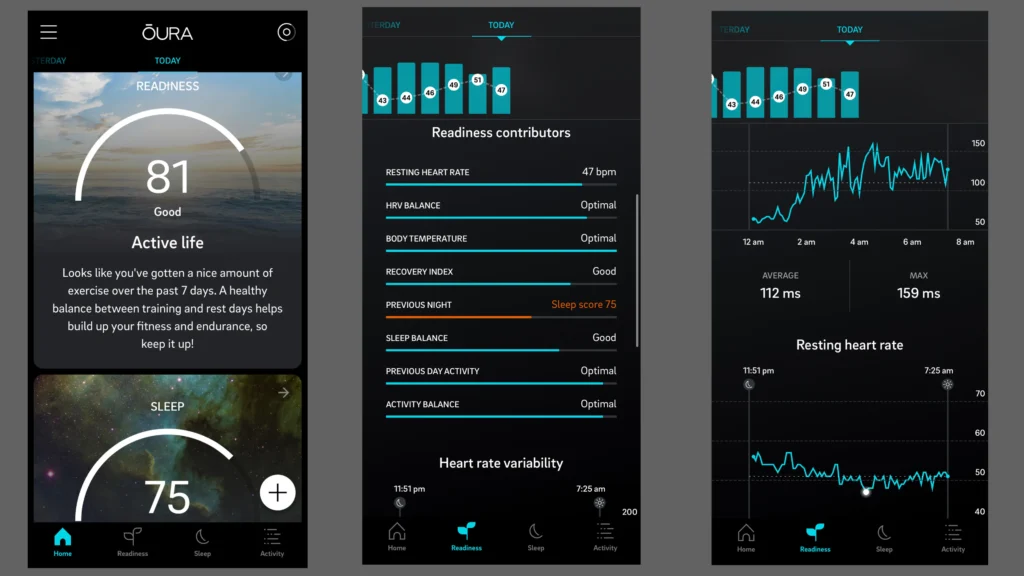
- Clean, minimal design with a focus on sleep, readiness, and activity.
- Intuitive dashboard showing Readiness, Sleep, and Activity scores right at the top.
- Easy to navigate for both casual users and wellness enthusiasts.
WHOOP App:
- More data-heavy interface, ideal for performance-focused users.
- Emphasizes Strain, Recovery, and Sleep.
- Deeper analytics with layered graphs and trend lines.
Daily Feedback & Insights
Oura:
- Offers daily wellness summaries in plain language: “Your body temperature is elevated,” or “You may need extra rest today.”
- Insights are gentle, wellness-focused, and encourage balance.
WHOOP:
- Provides detailed strain vs. recovery feedback.
- Includes personalized coaching suggestions, like “Take it easy today” or “You’re ready to push hard.”
- Offers daily performance reports and weekly/monthly insights for trend tracking.
Sleep Tracking & Journal Features
Oura:
- Highly regarded for accurate sleep tracking and detailed sleep stage breakdowns.
- Includes journal-style tags (e.g., alcohol, caffeine, travel) that affect your readiness score.
- Also features guided breathing and meditation sessions.
WHOOP:
- Advanced sleep tracking with sleep debt, sleep need, and actual sleep time.
- Lets you log daily behaviors and shows how they impact your recovery metrics over time.
- Offers Sleep Coach feature that tells you when to go to bed for optimal recovery.
Customization & Notifications
Oura:
- Fewer notifications, focused on health reminders and readiness changes.
- Less customizable but very user-friendly.
WHOOP:
- More robust alerts for recovery trends, sleep performance, and strain targets.
- Allows you to set custom strain goals and track your progress throughout the day.
Final Thoughts: App & User Experience – Oura vs WHOOP
- Oura offers a wellness-first, clean app experience with simple visuals and clear feedback.
- WHOOP is better for those who love in-depth data, training insights, and continuous performance coaching.
- If you want a calm, minimal interface, Oura is the winner.
- If you’re looking for high-performance analytics and goal tracking, WHOOP takes the lead.
11. Integration with Other Devices & Apps
When choosing a fitness tracker, it’s not just about the device itself—it’s also about how well it fits into your broader digital health ecosystem. Let’s compare Oura and WHOOP in terms of integration with other devices and apps.
Oura Ring: Seamless Wellness Integration
Oura offers strong integrations, especially in the health and wellness space.
- Apple Health & Google Fit: Oura syncs sleep, activity, and readiness data directly with Apple Health and Google Fit.
- Natural Cycles: Oura integrates with the Natural Cycles app for cycle tracking, using temperature data from the ring.
- Strava (via third-party apps): While not direct, users can sync activity data to Strava through middleware apps like Health Sync or Apple Health.
- Oura API: Developers can access their Oura data through a public API.
WHOOP: Built for Performance Tracking
WHOOP is more focused on training and performance integrations.
- Apple Health & Google Fit: WHOOP syncs heart rate, strain, recovery, and sleep data.
- Strava: Direct integration with Strava for auto-logging workouts.
- TrainingPeaks: WHOOP syncs strain and recovery data with TrainingPeaks, popular among athletes and coaches.
- WHOOP Journal: While not an integration per se, it allows logging external habits (like alcohol, stress, supplements) and correlates them with recovery.
- IFTTT & API Access: Advanced users can automate routines and access raw data.

Third-Party Fitness Platforms
- Best suited for users in the wellness, sleep, and stress management space.
- Integrates passively—ideal for those who want to collect and reflect.
WHOOP:
- Designed for athletes, coaches, and data nerds.
- Offers deeper integrations with performance-focused platforms.
Final Verdict: Integration with Other Devices & Apps – Oura vs WHOOP
- If your focus is on lifestyle, recovery, and health syncing, Oura integrates smoothly with general wellness platforms.
- If you’re more into training optimization and performance platforms, WHOOP offers stronger integration with tools like Strava and TrainingPeaks.
- Both devices work with Apple Health and Google Fit, but their strengths lie in different ecosystems.
12. Durability & Water Resistance
When investing in a wearable, it’s important to know how well it can handle your daily life—whether that’s intense workouts, swimming, or just surviving the occasional drop. Let’s compare Oura and WHOOP in terms of durability and water resistance.
Oura Ring: Sleek but Tough
Durability:
- Made from titanium, Oura is surprisingly tough despite its sleek appearance.
- Scratch-resistant outer coating helps it withstand regular wear.
- May show signs of wear over time if frequently exposed to weights or rough surfaces.
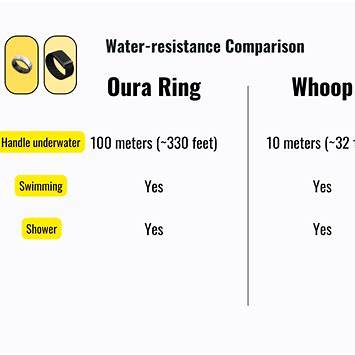
Water Resistance:
- Rated waterproof up to 100 meters.
- Safe for swimming, showering, and dishwashing.
- Not recommended for high-impact water sports like jet skiing or diving.
WHOOP Strap: Built for Activity
Durability:
- Designed with athletes in mind.
- Uses a woven, interchangeable band that’s sweat-proof and quick-drying.
- The sensor module is lightweight but very durable, built to withstand rough training sessions.
Water Resistance:
- Rated IP68: water-resistant up to 10 meters for up to 2 hours.
- Can be worn in the shower, while swimming, or in the rain.
- Not ideal for diving or long-duration underwater use.
Long-Term Wear & Comfort
Oura Ring:
- Lightweight and stylish, great for 24/7 wear, including sleep and casual use.
- May feel bulky or uncomfortable during heavy barbell lifts or certain exercises.
WHOOP Strap:
- Designed for constant wear, even during tough training sessions.
- Slim, breathable, and unobtrusive—ideal for athletes and fitness enthusiasts.
Final Verdict: Durability & Water Resistance – Oura vs WHOOP
- Oura scores high on water resistance (100m), but the ring form factor can be vulnerable during heavy lifting or contact sports.
- WHOOP is more durable for high-impact and sweaty training, though its water resistance is slightly lower.
- If you prioritize a minimal look with solid waterproofing, go with Oura.
- If you want a rugged, gym-ready tracker, WHOOP is built for the job.
13. Who Should Buy Whoop vs. Who Should Buy Oura?
When choosing between two top-tier wearables like WHOOP and Oura, it’s not about which is better overall—it’s about which one is better for you. Both offer advanced health tracking, but they’re built for different lifestyles and goals. Here’s a breakdown of who should buy WHOOP vs. who should buy Oura.
Who Should Buy WHOOP?
WHOOP is designed with athletes and high performers in mind. If you’re serious about optimizing your training, recovery, and overall performance, WHOOP is the better fit.
Best for:
- Athletes and fitness enthusiasts who want to track strain, recovery, and sleep quality in real time.
- People training for events like Hyrox, triathlons, or CrossFit.
- Users who love data-driven insights and want daily coaching to push performance.
- Those who want to charge without taking the device off—thanks to WHOOP’s slide-on battery pack.
Who Should Buy Oura?
Oura is best for people focused on overall health, sleep, and stress management. It’s sleek, low-profile, and doesn’t scream “fitness tracker,” making it perfect for all-day wear.
Best for:
- Busy professionals or wellness-focused users who want insights into recovery, stress, and sleep without constant notifications.
- People who prioritize sleep quality and daily readiness.
- Anyone looking for aesthetic wearability—Oura looks more like a ring than a tech device.
- Users who want detailed nighttime data, including body temperature, respiratory rate, and HRV.
Summary: WHOOP vs. Oura – Which One’s Right for You?
| Feature | WHOOP | Oura Ring |
|---|---|---|
| Best for | Athletes & performance | Wellness & recovery |
| Real-time workout tracking | ✅ Yes | ❌ No |
| Sleep tracking | ✅ Advanced | ✅ Highly detailed |
| Daily recovery score | ✅ With coaching tips | ✅ With wellness insights |
| Looks like a fitness tracker | ✅ Yes | ❌ No (minimal ring design) |
| Battery charging | ✅ On-wrist charging | ❌ Must be removed to charge |
Final Thoughts
- Choose WHOOP if you’re focused on performance, data, and athletic recovery.
- Choose Oura if you want a balanced approach to health and wellness, with a sleek design and deep sleep insights.
- Both are excellent—but the best choice depends on your lifestyle, training goals, and how you want to interact with your data.
14. Pros & Cons: Quick Summary Table
Choosing between Oura and WHOOP can be tough—they’re both powerful tools, but designed for different goals. Below is a quick summary table comparing the pros and cons of Oura vs WHOOP, so you can decide which wearable best fits your lifestyle.
Quick Summary Table: Oura vs WHOOP
| Category | Oura Ring | WHOOP Strap |
|---|---|---|
| Pros | ✅ Sleek, ring design – discreet and stylish | ✅ Built for athletes and training optimization |
| ✅ Excellent sleep and recovery tracking | ✅ Real-time heart rate and strain tracking | |
| ✅ Superior battery life (4–7 days) | ✅ On-wrist charging – no need to remove | |
| ✅ Detailed HRV, temperature & stress tracking | ✅ Actionable coaching based on recovery & strain | |
| ✅ Integrates with wellness platforms (e.g., Natural Cycles) | ✅ Syncs with Strava, TrainingPeaks, Apple Health | |
| Cons | ❌ No live workout tracking | ❌ Shorter battery life (4–5 days) |
| ❌ Must be removed for charging | ❌ App can feel data-heavy for casual users | |
| ❌ May feel bulky for certain lifts or activities | ❌ Requires monthly subscription for full access | |
| ❌ Less performance coaching | ❌ No screen – data only available in the app |
Final Verdict: Pros & Cons – Oura vs WHOOP
- If you value design, wellness tracking, and long battery life, the Oura Ring is a great fit.
- If you want deep training analytics, real-time tracking, and recovery coaching, go with the WHOOP Strap.
15. Final Verdict: Which One is Worth It?
After comparing all the key features—sleep tracking, recovery metrics, stress monitoring, battery life, and more—it’s time for the big question: Which one is worth it—Oura or WHOOP?
The answer depends entirely on your goals, lifestyle, and how you want to use your data.
Oura Ring: Best for Wellness & Lifestyle Users
Choose Oura if you:
- Prioritize sleep quality, stress management, and recovery.
- Want a sleek, discreet ring that looks more like jewelry than a fitness device.
- Prefer a simple app interface with wellness-focused insights.
- Need longer battery life and fewer charging interruptions.
Oura is ideal for those who want to track their health passively, without being overwhelmed by data or notifications.
WHOOP Strap: Best for Athletes & High Performers
Choose WHOOP if you:
- Train regularly and want real-time heart rate and strain tracking.
- Like getting coaching insights to improve performance and recovery.
- Prefer detailed data, weekly performance summaries, and goal setting.
- Want to optimize your training based on recovery status.
WHOOP is built for performance-minded users who thrive on in-depth metrics and continuous feedback.

Which One Is Worth It?
| You Should Choose… | If You Want… |
|---|---|
| Oura | Wellness tracking, sleep insights, minimalist design |
| WHOOP | Performance tracking, workout strain, recovery coaching |
If you’re into wellness, mindfulness, and general health, Oura is worth it.
If you’re focused on training, performance, and pushing your limits, WHOOP is the better investment.
Final Thoughts
Both devices are excellent—just made for different people. Think about what you value most:
- Simplicity and wellness? → Go with Oura.
- Data and performance? → WHOOP is your answer.
Whatever you choose, you’ll be stepping into a smarter, more informed version of your health.